7 Best SIA Course Secrets
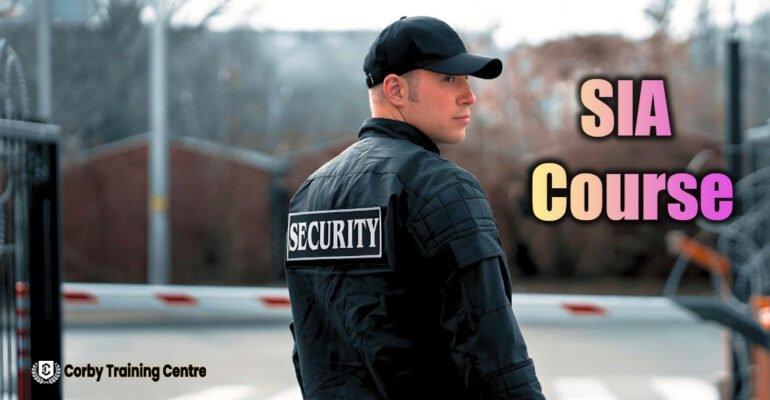

Let me tell you something straight up. When I first decided to get into the security industry, I had no clue what an SIA course even was. I thought you just walked into a job, shook hands, and started guarding doors. Boy, was I wrong.
I remember sitting in my car outside a training centre in Corby, sweating more than I should have been in February. My mate Dave had told me, “Just do the course, mate. It’s easy.” Easy? It felt like trying to assemble flat-pack furniture without the instructions. But here’s the thing. Once I figured out how the system actually works, everything clicked. And that’s what I want to share with you today.
So grab a cuppa, settle in, and let me walk you through the seven secrets that will save you time, money, and a whole lot of headache when booking your SIA course.
1. Not All SIA Courses Are Created Equal
You’d think a course regulated by the government would be identical no matter where you take it. Right? Wrong again.
I learned this the hard way. My first attempt at an SIA course was with a provider who shall remain nameless. The classroom had more cracks in the ceiling than actual chairs. The tutor read from a PowerPoint like he was narrating a washing machine manual. And the “practical assessment” involved watching a video from 2007 where someone’s phone rang halfway through.
Here’s the secret. SIA approved providers vary wildly in quality. Some are outstanding. Others are barely legal.
Before you hand over your hard earned cash, check three things:
- Are they on the official SIA register?
- Do they have recent Google reviews from real students?
- Can you visit the training centre beforehand?
I ended up redoing my door supervisor training with a different provider. It cost a bit more, but the difference was night and day. Small classes. Real life scenarios. An instructor who actually worked the doors for fifteen years. That’s what you need.
Think of it like driving lessons. You wouldn’t learn from someone who’s never passed their test. Same logic applies here.
2. Understand the Real Cost Before You Book
Let’s talk money. Because nobody likes surprises when it comes to their wallet.
When I first searched for “cost of SIA training UK”, I saw prices ranging from £150 to over £500. I nearly choked on my biscuit. How can the same qualification cost three times as much in one place versus another?
Here’s what I wish someone had told me.
The cheap courses often hide fees. They advertise £150 but forget to mention:
- VAT (adds another £30)
- The SIA licence application fee (around £190 at the time of writing)
- First aid certification if not included
- Textbooks or digital materials
By the time you add everything up, that “bargain” SIA course suddenly costs the same as a mid range one. Except the mid range one probably includes better teaching and actual support when you get stuck.
My advice? Look for total transparency. A good provider will break down every single penny. They’ll tell you exactly what’s included and what isn’t. No smoke and mirrors.
Also, ask about SIA training funded by government options. Depending on where you live in the UK, you might qualify for a Skills Bootcamp or local authority grant. I didn’t know this existed until after I’d paid. Don’t be me.
3. Classroom vs Online – Choose Wisely
Ah, the great debate. Do you sit in a room with other people, or do you roll out of bed and log into Zoom?
I’ve done both. Let me save you some trial and error.
An SIA course online or classroom? The answer depends entirely on how you learn. I’m a talker. I need to ask stupid questions without feeling embarrassed. For me, classroom worked better. There’s something about being in a room with eight other nervous strangers that makes you feel less alone.
But my cousin Sarah? She’s the opposite. Hates group settings. Loves working at 2am in her pyjamas. She smashed her CCTV operator course online with zero issues.
Here’s the catch with online courses. The practical assessments still have to be done in person. You can’t roleplay a conflict de escalation scenario through a webcam. Well, you could, but it would be weird.
Before you book, ask the provider exactly how the practical components work. Some let you do theory at home and come in for one intensive day of in person assessment. Others require you to be on site for the whole thing. Neither is wrong. But you need to know which you’re signing up for.
And please, for the love of all that is holy, check your internet connection before starting an online SIA course. I once watched a guy fail his first module because his dog unplugged the router. True story.
4. The First Aid Module Is Non Negotiable
Here’s something that surprised me. Every single licensable security activity requires a first aid qualification. Doesn’t matter if you’re doing door supervisor training, working as a security guard, or sitting in a control room watching monitors. You need first aid.
I used to think, “Why does a CCTV operator need to know CPR?” Then an instructor told me a story that changed my mind.
He had a student who worked in a shopping centre control room. One day, a cleaner collapsed in the corridor right outside the door. The operator was the first person on scene. Because he’d done his emergency first aid at work training just three months earlier, he knew exactly what to do. He kept that man alive until paramedics arrived.
So yeah. Don’t skip this part. Don’t moan about it. And definitely don’t try to fake it.
The good news is that most providers bundle first aid into the main SIA course package. Some even offer blended learning where you do the theory online and the practical assessment in person. Just make sure the certificate is valid and recognised by the SIA. Some cheap online only first aid courses aren’t accepted, and that’s a painful lesson to learn after you’ve already paid.
5. Conflict Management Is Your Superpower
When people think of security work, they imagine big blokes with muscles and attitude. But honestly? The real skill isn’t physical strength. It’s words.
Conflict management training was the part of my SIA course that I initially dismissed as common sense. “Just be nice to people,” I thought. “How hard can it be?”
Then came the roleplay exercises.
Picture this. A middle aged man playing an angry customer who’s had six pints too many. He’s in my face, shouting about being kicked out for no reason. My natural instinct? Get loud back. Match his energy. Prove I’m not scared.
That’s exactly the wrong move.
My instructor stopped the scene and pulled me aside. He said, “You just escalated a situation that could have been resolved with three words. ‘I understand, sir.’”
That moment changed everything. Conflict management isn’t about winning arguments. It’s about de escalating emotions. Lowering your voice. Using open body language. Giving people a way to save face while still enforcing the rules.
I use those skills every single shift now. Not just at work, either. I’ve used them with my teenagers, with angry drivers, even with a neighbour who kept parking across my driveway.
Trust me on this. Pay attention during the conflict management training section of your SIA course. Take notes. Practice the scripts. It will serve you for life, not just on the door.
6. How to Search for Training Near You
Let’s get practical for a minute. You’ve decided to book an SIA course. Now you need to find one that doesn’t involve a two hour train journey each way.
When I started, I typed “SIA course near me” into Google and got overwhelmed. Pages of results. Different prices. Different durations. Different start dates. It was like trying to find a specific needle in a stack of other needles.
Here’s a better way.
First, use the SIA’s official website. They have a search tool for SIA approved providers. This filters out the cowboys immediately. Only use providers on that list. I cannot stress this enough.
Second, narrow by your specific licence type. A door supervisor training course is different from a close protection course. Make sure you’re booking the right one for the job you actually want. I’ve met people who completed a CCTV operator course and then applied for door work. That doesn’t work. Different licence. Different training.
Third, check start dates and locations. Some providers run courses every week. Others only once a month. If you’re in a smaller town like Corby, you might need to travel to Northampton, Leicester, or Peterborough. That’s normal. Just factor travel time and cost into your decision.
And here’s a local tip. Ask the provider about SIA course fees and schedules in Corby specifically. Even if they’re based elsewhere, they may run satellite courses in community centres or hotels near you. I found a weekend course that ran out of a church hall ten minutes from my house. Never would have known if I hadn’t called and asked directly.
7. What Happens After You Pass
You’ve completed the training. You’ve got your certificate. Now what?
This is the part nobody told me about. Passing the SIA course is not the same as getting your licence. You still have to apply to the SIA directly. And that application takes time.
How long? It depends.
A straightforward application with a clean criminal record might take two to three weeks. But if you have any old cautions or convictions, even ones you thought were spent, the process can stretch to eight weeks or more. I’ve seen it happen to good people who just didn’t plan ahead.
My advice? Apply for your SIA licence the same day you finish your course. Don’t wait. Don’t celebrate for a week. Just do the online form, upload your documents, pay the fee, and get the clock ticking.
While you’re waiting, start looking for jobs. Security companies are always hiring, but they want to see that your licence is either approved or “in progress”. Be upfront in your applications. Say, “Training complete, licence application submitted.”
Also, keep an eye on your SIA licence renewal requirements. The licence lasts three years. About three months before it expires, you’ll need to do a top up course. Don’t leave this until the last minute. I know a guy who forgot to renew and had to take two weeks unpaid while he sorted it out. Painful and completely avoidable.
A Personal Note From Me to You
I’m not a guru. I’m not a security expert with twenty years of experience. I’m just someone who was exactly where you are now. Confused. A bit nervous. Wondering if I was making a huge mistake.
The night before my final assessment, I couldn’t sleep. I kept running scenarios through my head. What if I froze? What if I said the wrong thing? What if the instructor thought I was an idiot?
Here’s what got me through. I remembered why I started. I wanted a job with stable hours. I wanted to feel useful. I wanted to stop worrying about money every single month.
Security work isn’t glamorous. You won’t see your face on magazine covers. But it’s honest work. It pays the bills. And on a good night, you might actually help someone who needs it.
So if you’re sitting on the fence about booking your SIA course, here’s my encouragement. Just do it. Find a provider. Ask the questions. Save up the fees. And take that first step.
You don’t need to be the biggest or the toughest. You just need to show up, pay attention, and care about doing a decent job. Everything else? You’ll learn as you go.
Frequently Asked Questions
How long does an SIA course take?
Most classroom courses run for four to six days, depending on the licence type. Online blended options can stretch over two to three weeks with self paced study.
Can I take an SIA course without GCSEs?
Absolutely. There are no formal entry requirements. As long as you can speak and understand English to a reasonable level, you’re good to go.
What’s the best SIA training provider?
That depends on your location and budget. Look for SIA approved providers with recent positive reviews. Get Licensed, Monarch, and T3 Training are well known, but always check local options too.
Do I need an SIA licence for event security?
Yes. Most events require door supervision or security guarding licences. Some small community events may be exempt, but professional event work definitely needs a licence.
How do I renew my SIA licence?
You’ll need to complete an SIA top up training course (usually one day) and then reapply online. Do this at least eight weeks before your current licence expires.
Final Thoughts
Look, I’m not going to pretend that getting into security is the answer to all of life’s problems. It’s not. Some shifts are long. Some customers are horrible. Some nights you’ll stand in the rain wondering why you didn’t become an accountant.
But here’s the truth. A good SIA course opens doors. Literally and figuratively. It gives you a legal right to work. It teaches you skills that matter. And it connects you to an industry that is always, always hiring.
So take what you’ve learned here. Avoid the mistakes I made. Ask the right questions before you book. And then go out there and earn your licence.